
Becoming a Head of Platform in VC: 7 Essential Skills & a Career Roadmap

Thinking about breaking into venture capital but not through the traditional investment route?
The Head of Platform role has become one of the fastest-growing paths in VC, especially as firms compete to offer more value after investment.
Unlike a venture capital analyst or investment associate, a Head of Platform does not primarily source deals or manage capital. The role focuses on helping portfolio companies succeed through community, talent, strategic partnerships, vendor support, brand, operations, and founder-facing programs.
So, if you're a driven professional with a background in marketing, community management, business development, or operations, you may be closer than you think to entering the venture capital industry.
In a field historically dominated by investment teams, Heads of Platform are redefining what it means to create value in venture capital. From talent acquisition and community building to vendor management, brand building, and third-party service provider partnerships, platform leaders are at the core of post-investment success.
But what exactly does a Head of Platform do? How do you break into a platform role, and what skills will help you stand out in a highly competitive space?
In this comprehensive guide, you’ll learn:
- What the platform function in a venture firm looks like
- The six areas where platform support creates tangible value
- The 7 essential skills you need to master
- A clear career roadmap for transitioning into this exciting role
Whether you’re exploring new directions in your venture capital career or just discovering the opportunity, this is your starting point.

Quick Answer: What does a Head of Platform do in VC?
A Head of Platform in venture capital builds the programs, systems, partnerships, and community that help portfolio companies succeed after investment. Unlike a venture capital analyst or investor, the role is usually not focused on sourcing deals or making investment decisions.
Instead, the Head of Platform defines the platform strategy and roadmap, aligns platform work with the firm’s business objectives, and helps founders access the right people, tools, vendors, talent, content, events, and operating support.
The role requires strong strategic thinking, stakeholder management, communication, and execution. At smaller VC firms, the Head of Platform may be a team of one. At larger firms, they may oversee specialists across community, talent, marketing, partnerships, events, data, and portfolio services.
The Core Responsibilities of a Head of Platform
A Head of Platform in a venture capital firm focuses on creating long-term value that extends far beyond capital investment. Unlike traditional investors who drive deal flow, the platform head manages a broad range of activities that support portfolio companies and enrich the fund's ecosystem.
These responsibilities sit at the intersection of community engagement, strategic partnerships, and operational enablement. In fact, in many firms, the platform leader is often the only non-investor employee, making the role one of high visibility and tremendous impact.
Based on VC Stack’s summary of VC Platform Global Community benchmarks, a “moderate” platform role can comprise up to 10% of a fund’s core team, whereas a “significant” platform role is 10% or more. In practice, this means smaller firms might have a platform team of just one person, while larger funds could have a more established function, depending on their size, stage, and strategy.
Key Differentiators from Other VC Roles:
- Principal/Partner: Focused on sourcing deals, portfolio strategy, and capital allocation.
- Operating Partner: Provides deep subject-matter expertise, typically in one function (e.g., marketing, finance, product).
- Head of Platform: Builds community, facilitates access to resources, drives strategic programs, and manages the full platform experience.
Let’s look at the typical scope of a platform manager or leader:
Strategic Planning
Develop and execute a long-term platform strategy and roadmap that aligns with the fund’s investment goals and the specific needs of its portfolio companies. A strong strategy should help the platform team stay aligned with general partners and investment operations.
Community Building
Create a vibrant, valuable community among founders, mentors, and advisors. Many VC firms now view community building as a strategic advantage, helping their portfolio companies succeed faster and more efficiently.
Strategic Partnerships
Forge alliances with third-party service providers, accelerators, and strategic partners that offer discounts, resources, or expertise. These partnerships can extend your firm’s capabilities and help assist portfolio companies during their critical growth stages.
Talent Acquisition
Develop scalable systems and networks to source top talent. Talent acquisition is often cited as the most valuable platform function for early-stage companies, and great platform leaders build relationships with recruiters and hiring platforms that add measurable value.
Event Management
Plan and host industry events, workshops, demo days, and community meetups that facilitate knowledge-sharing, press exposure, and direct founder support. This includes a mix of VC platform global community initiatives and local engagements.
Vendor & Operational Support
Support portfolio companies by helping them identify vetted vendors, negotiate deals, and manage contracts. This is where tools like Proven can save teams thousands in operational costs and free up time to focus on growth. Providing tech stack advice and operational expertise is a critical way to help portfolio companies succeed.
Data Analytics & Reporting
Use tools and frameworks to track the impact of platform work, from community metrics to talent placements and service adoption. This helps communicate platform ROI to limited partners and align with the firm's operations.
The Six Buckets of Platform Work
As articulated in an insightful article by Lerer Hippeau’s Platform team Paths into Venture Capital: Decoding the VC Platform Role, the Head of Platform typically operates across six main buckets:
- Talent – helping portfolio companies hire great people
- Business Development – facilitating customer or partner introductions
- Community – building events and networks across the startup ecosystem
- Marketing & Content – supporting portfolio and firm visibility
- Fundraising Support – assisting portfolio founders with their capital raises
- Portfolio Services – curating tools, vendors, and operational resources
These categories give further structure to the wide-reaching responsibilities under the platform function and underscore how platform leaders deliver measurable impact within a venture fund.
In short, the platform role is equal parts builder, connector, strategist, and evangelist. With the right mindset and execution ability, a platform specialist can influence everything from founder satisfaction to international expansion.
Challenges of the Head of Platform Role
While incredibly rewarding, the Head of Platform role also comes with its fair share of challenges. It demands agility, clarity, and the ability to work across multiple verticals inside and outside the firm.
1) Balancing Multiple Stakeholders
From general partners and investment operations teams to limited partners and startup founders, the platform head must constantly communicate, align, and execute on cross-functional priorities. Managing these diverse relationships requires exceptional communication skills and emotional intelligence.
2) Proving ROI of Platform Work
Unlike investment returns, the value of platform work is less immediate and harder to quantify. Demonstrating the impact of community engagement, portfolio support, and brand building is a continuous effort that often involves storytelling, data analytics, and narrative framing for both LPs and the broader startup community.
3) Navigating Ambiguity and Change
The venture capital industry is in a constant state of flux. Platform leaders must adapt quickly to market trends, emerging technology stacks, and shifting founder needs. In many ways, they are the most agile part of the venture firm, capable of plugging gaps and proactively finding solutions before problems grow.
4) Scaling Platform Strategy
As the firm grows or the fund expands into new sectors or geographies, platform leaders must scale services accordingly, sometimes supporting international growth, sometimes doubling down on one vertical.
Staying scalable while maintaining high-quality post-investment support is one of the more strategic hurdles in platform management.
Despite the challenges, many industry professionals describe the platform path as one of the most rewarding in the VC world. It’s an opportunity to be actively involved in building great companies, influencing founder journeys, and shaping the future of venture itself.
Ready to learn what skills will set you apart in this dynamic, high-impact role? Let’s dive into the 7 essential skills next.
What VC Firms Are Looking For
Now that you have a strong understanding of the Head of Platform role, it’s time to examine what hiring managers and VC firms are actively seeking in top candidates. A successful Head of Platform needs to excel in strategic thinking and stakeholder management, as the role requires constant alignment among founders, general partners, limited partners, service providers, and internal teams. Whether you’re applying at an early-stage venture fund or a global venture capital firm, these qualities are universally desirable across the industry.
1. Entrepreneurial Spirit
Most firms want someone who truly understands the startup ecosystem. If you’ve built a business, worked in a startup, or supported one in a high-impact role, you’ll have the edge. This background signals that you can empathize with founders, move quickly, and solve real-world problems.
Candidates with entrepreneurial energy often bring a deep understanding of product-market fit, lean operations, and growth scrappiness, all of which help them better support portfolio companies.
2. Strategic Vision
Heads of Platform are expected to design and execute cross-functional programs that ladder up to firm-wide outcomes. That means developing a platform strategy that aligns with investment themes, firm goals, and the needs of dozens of portfolio companies.
This is where a mix of vision and detail orientation pays off. Your ability to build a strategy that supports a growing firm and can scale with the fund’s evolution across verticals or international expansion is a major differentiator.
3. Relationship Building
This role requires constant collaboration with founders, general partners, limited partners, and third-party service providers. You must be highly skilled at maintaining long-term relationships, building trust, and fostering collaboration.
Some platform specialists are also tasked with investor relations, especially in smaller teams where platform and operations blend together. Strong communication, social intelligence, and consistent follow-through are non-negotiable.
4. Resourcefulness
From curating tools to solving problems under pressure, platform leaders are expected to figure things out. Whether it’s uncovering a solution for a founder or securing an incredible deal from a SaaS vendor, your ability to hustle creatively adds measurable value.
Many platform managers are known for helping startups access capital, talent, or tools in unconventional ways. That proactive, bias-for-action mindset is essential, especially in early-stage company environments.
5. Execution Excellence
Execution is where strategy becomes traction. Strong candidates can demonstrate a consistent track record of owning programs from end to end: defining goals, managing timelines, rallying stakeholders, and delivering results.
When hiring for a platform position, fund managers want someone who can turn ideas into action, even when priorities shift. Think: launching a talent network, scaling founder support programs, or rolling out new platform work systems across multiple portfolio companies.
6. Industry Knowledge
To effectively help founders, you must understand the industries they operate in. That’s why venture firms prefer candidates who have relevant vertical experience, whether in healthtech, climate, fintech, or SaaS.
Staying current with industry trends, knowing who the major players are, and having informed opinions on where the market is heading are key aspects of how platform leaders become true strategic advisors. This also enables them to build stronger strategic partnerships and anticipate the needs of founders.
7. Adaptability
The role is constantly evolving. One month you may be supporting a startup community through events and Slack groups, the next you’re troubleshooting platform management systems, or redesigning the firm’s post-investment support model.
To succeed, you need to remain calm under pressure, operate without a clear playbook, and regularly reevaluate what’s working. High-performing platform heads are flexible, iterative, and comfortable in fast-moving environments.
Now that we’ve covered the attributes firms are looking for, let’s walk through how you can position yourself as a standout candidate even if you’re starting from scratch.

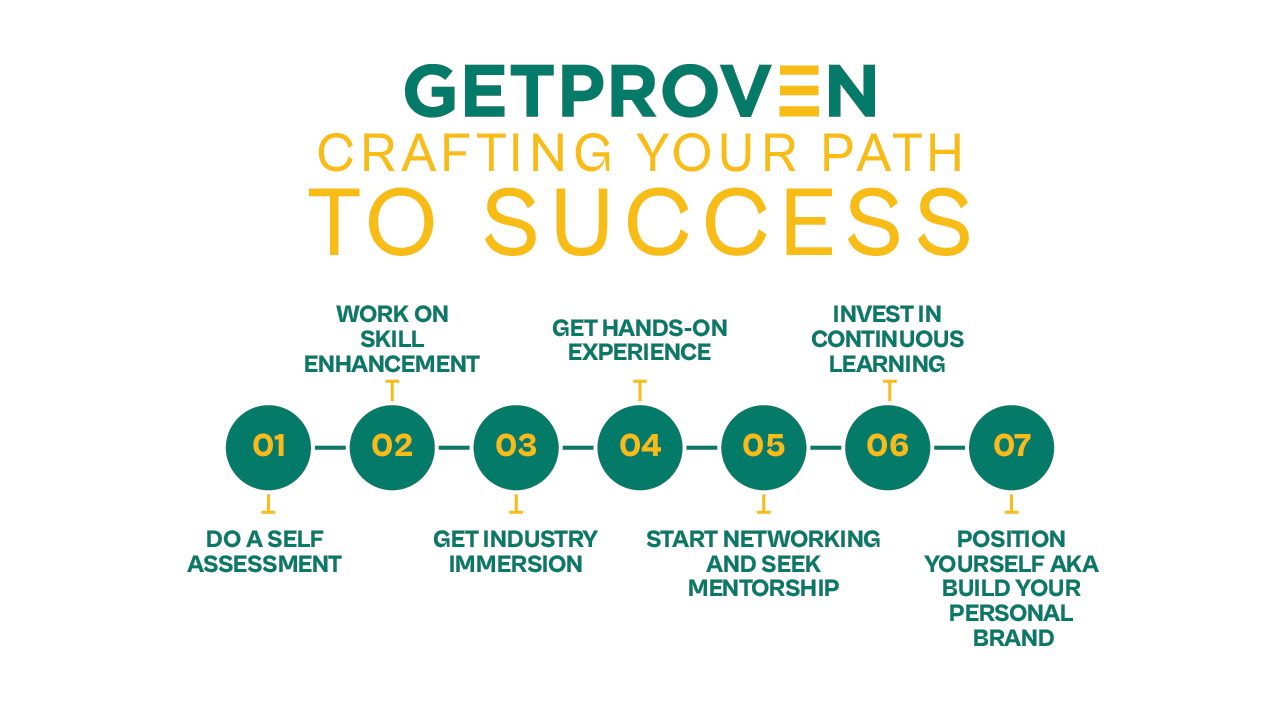
Crafting Your Path to Success
If you're ready to pursue a role as a Head of Platform, this is your moment to map out your career development with intention. Here’s how to build the capabilities and visibility needed to stand out in the venture capital industry.
Step 1: Do a Self-Assessment
Evaluate your current strengths, gaps, and exposure to platform function areas such as community, talent, or operations. Be honest about what you bring and where you need to grow to match the expectations of a modern platform team.
Step 2: Upskill Strategically
Invest in yourself through certifications, courses, or accelerators that sharpen your ability to offer real platform support. Specialize in areas like data analytics, communication skills, or founder coaching, anything that helps you assist portfolio companies with day-to-day challenges and high-leverage decisions.
Step 3: Build Industry Exposure
Attend networking events, shadow industry leaders, or volunteer at startup competitions. The more you show up in the startup community, the more embedded and credible you’ll become. Don’t just follow industry professionals, engage with them.
Step 4: Gain Real-World Experience
Get hands-on. Whether through part-time work, internships, or startup advisory roles, immerse yourself in the environments where platform specialists thrive. Help founders hire, solve problems, or prepare for financial support rounds.
Step 5: Become a Thought Leader
Start creating and sharing content that reflects your insight and passion for the VC platform role. Publish on LinkedIn, speak at industry events, or create frameworks that can help others in platform development. This level of brand building helps you get noticed and demonstrates value before you're even in the room.
Step 6: Apply to the Right Roles
Search venture capital job boards and VC firm career pages, but also leverage warm intros and platform communities. The more you connect with platform leaders, the more doors will open.
Step 7: Master the Interview
When the time comes, clearly articulate how your experience maps to the six buckets of platform work, the needs of the fund, and how you’ll measure success. Bring the vision, clarity, and execution mindset that makes hiring managers see you as indispensable.
How Top Heads of Platform Apply Their Skills: Real Scenarios That Drive Impact
You’ve seen the traits venture firms look for, but what separates great from good is how those traits show up in action. Below are real-world examples of how elite platform leaders use these capabilities to drive lasting value inside a VC firm.
Relationship Management: Coordinating 1:1 founder coaching, building long-term strategic partnerships, or cultivating warm LP referrals from the firm’s alumni network.
Community Engagement: Launching a quarterly “Founders Circle” event that becomes a signature gathering in the VC platform global community.
Content & Brand Strategy: Producing founder-led blog series, writing playbooks for portfolio companies, or scaling thought leadership through podcasts and curated content libraries.
Talent Infrastructure: Designing recruiting pipelines and dashboards that map to each stage of startup growth, especially useful in early-stage company hiring.
Operational Excellence: Implementing vendor discount programs and tooling libraries that save startups hundreds of hours per year, an area where tools like Proven directly improve platform management.
Investor Relations: Preparing LP updates, hosting investor summits, and using data tools to showcase the impact of post-investment support programs.
Adaptability & Innovation: Proactively identifying gaps in the firm’s operations and launching initiatives that solve them, before being asked.
Great Heads of Platform don’t just manage, they initiate, scale, and lead.
Essential Tools & Resources for Platform Success
To drive consistent value, platform heads need the right tech stack and resources. These tools help streamline daily operations, support founders at scale, and measure the effectiveness of platform work across the portfolio.
Network & Relationship Management
- Affinity, Notion – Track introductions, manage founder and stakeholder relationships, and visualize your startup ecosystem.
Event & Community Engagement
- HubSpot, Luma, Slack – Plan community-building experiences, manage invites, and facilitate ongoing conversations.
Content & Brand Execution
- Canva, WordPress, Buffer – Execute on your brand building and content calendar for the firm and portfolio companies.
Talent Acquisition & Recruiting
- Lever, Greenhouse, AngelList Talent – Help startups with candidate pipelines, job listings, and talent acquisition strategy.
Financial & Investor Communications
- Carta, Visible, Zapier – Support LP updates, manage cap tables, and automate reporting for limited partners and internal stakeholders.
Vendor & Operational Tools
- Proven – Helps Heads of Platform centralize vendor access, track founder engagement with offers, reduce manual vendor requests, and show measurable value from portfolio support. Across Proven’s network, portfolio companies have saved more than $1 billion through preferred vendor offers.
Whether you're helping a founder close a key hire, organizing an ecosystem event, or giving portfolio companies access to trusted vendors and preferred offers, the right tools help you deliver platform value at scale.
Explore how these tools, like Proven, can be implemented in your firm’s platform function to simplify execution and amplify your strategic impact.
Next Steps: Grow Into the Role and Go Deeper
If you've made it this far, you're not just curious, you’re serious about growing into a standout Head of Platform.
So what should you do next?
1) Bookmark this guide and revisit it as your goals evolve.
2) Download the “Community Activation Checklist for Platform Leaders” – Learn how to cultivate engagement, build trust, and foster active participation among founders in your portfolio. Click here to access
3) Start applying what you've learned – Identify your current starting point and outline the different action steps needed to land your dream job. Remember, you can only earn an opportunity if you are prepared and skilled enough to handle the responsibility, so before submitting that application, make sure you've checked off many, if not all, of the prerequisites you learned in this article.
4) Try Proven for Free – If you’ve landed your dream job and are ready to build systems to support dozens of founders, Proven streamlines vendor and operations tracking, helping you deliver more value with less manual effort. See what's possible here.
You’ve just learned what it takes to become a Head of Platform in venture capital. Now it’s time to take action and start leading.
Frequently asked questions


Browse more topics from this article
Heading 1
Heading 2
Heading 3
Heading 4
Heading 5
Heading 6
Lorem ipsum dolor sit amet, consectetur adipiscing elit, sed do eiusmod tempor incididunt ut labore et dolore magna aliqua. Ut enim ad minim veniam, quis nostrud exercitation ullamco laboris nisi ut aliquip ex ea commodo consequat. Duis aute irure dolor in reprehenderit in voluptate velit esse cillum dolore eu fugiat nulla pariatur.
Block quote
Ordered list
- Item 1
- Item 2
- Item 3
Unordered list
- Item A
- Item B
- Item C
Bold text
Emphasis
Superscript
Subscript
Heading 1
Heading 2
Heading 3
Heading 4
Heading 5
Heading 6
Lorem ipsum dolor sit amet, consectetur adipiscing elit, sed do eiusmod tempor incididunt ut labore et dolore magna aliqua. Ut enim ad minim veniam, quis nostrud exercitation ullamco laboris nisi ut aliquip ex ea commodo consequat. Duis aute irure dolor in reprehenderit in voluptate velit esse cillum dolore eu fugiat nulla pariatur.
Block quote
Ordered list
- Item 1
- Item 2
- Item 3
Unordered list
- Item A
- Item B
- Item C
Bold text
Emphasis
Superscript
Subscript
Heading 1
Heading 2
Heading 3
Heading 4
Heading 5
Heading 6
Lorem ipsum dolor sit amet, consectetur adipiscing elit, sed do eiusmod tempor incididunt ut labore et dolore magna aliqua. Ut enim ad minim veniam, quis nostrud exercitation ullamco laboris nisi ut aliquip ex ea commodo consequat. Duis aute irure dolor in reprehenderit in voluptate velit esse cillum dolore eu fugiat nulla pariatur.
Block quote
Ordered list
- Item 1
- Item 2
- Item 3
Unordered list
- Item A
- Item B
- Item C
Bold text
Emphasis
Superscript
Subscript
Heading 1
Heading 2
Heading 3
Heading 4
Heading 5
Heading 6
Lorem ipsum dolor sit amet, consectetur adipiscing elit, sed do eiusmod tempor incididunt ut labore et dolore magna aliqua. Ut enim ad minim veniam, quis nostrud exercitation ullamco laboris nisi ut aliquip ex ea commodo consequat. Duis aute irure dolor in reprehenderit in voluptate velit esse cillum dolore eu fugiat nulla pariatur.
Block quote
Ordered list
- Item 1
- Item 2
- Item 3
Unordered list
- Item A
- Item B
- Item C
Bold text
Emphasis
Superscript
Subscript
Heading 1
Heading 2
Heading 3
Heading 4
Heading 5
Heading 6
Lorem ipsum dolor sit amet, consectetur adipiscing elit, sed do eiusmod tempor incididunt ut labore et dolore magna aliqua. Ut enim ad minim veniam, quis nostrud exercitation ullamco laboris nisi ut aliquip ex ea commodo consequat. Duis aute irure dolor in reprehenderit in voluptate velit esse cillum dolore eu fugiat nulla pariatur.
Block quote
Ordered list
- Item 1
- Item 2
- Item 3
Unordered list
- Item A
- Item B
- Item C
Bold text
Emphasis
Superscript
Subscript


.png)
.jpg)


